German Shepherd Colors – An Impressive Variety!
Colors are a distinctive element in German Shepherd dogs, one of the most popular and recognized breeds worldwide.
German Shepherd Colors
The variety of colors in these dogs is rigorous and fascinating. The color influences its appearance, although the breed's own personality remains and its physical characteristics must be the same as those stated in the standard.
In this article, we will explore the different colors found in German Shepherds and learn about their physical characteristics and some interesting facts about each of them.
The most common colors in the German Shepherd
The black and tan color in the German Shepherd
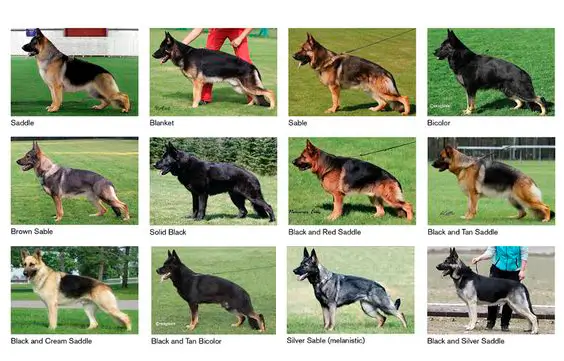
The most widespread color variant preferred by breed lovers is the one that combines the black coat with fire markings on the chest and legs. These black and tan German Shepherds have a black coat that is contrasted with reddish areas on their chest and limbs. This color combination highlights the imposing and elegant appearance of these dogs and presents the most recognized overall appearance in the world.
The black color in the German shepherd
The black German Shepherd is one of the most common and recognized colors in this breed. Its genetic origin is related to the genes responsible for the production of melanin, which determines coat color.
Black German Shepherds typically have a deep black coat and their distinctive shine makes them stand out. Some black German shepherd subtypes include those with tan markings on the chest and paws. These black and tan German Shepherds present a striking contrast between black and tan, giving them a very characteristic appearance.
The gray and sable color in the German shepherd
Other very common colors in German Shepherds are those that range from gray to sable, a little more reddish. These dogs have a coat that combines shades of brown and black.
As with grays, the sable color in the German Shepherd also has a genetic origin related to a strong pigment that comes from the high presence of melanin. Within this variety, subtypes of gray and sable can be found such as dark sable and light sable, each with its own charm and beauty.
The black and silver color in the German Shepherd
Another interesting variant among the grays is the black and silver German shepherd. These dogs have a black coat with silver markings on the chest, paws, and face. This color combination gives the German Shepherd an elegant and distinctive appearance. As with other varieties, there are darker and lighter shades within this category.
Less common colors in the German Shepherd
The white color in the German Shepherd (Not supported in the standard)
The white German Shepherd is not allowed within the selective breeding of the breed in the SV of Germany and this determination is maintained throughout the world circuit; It is a less common coloration, but equally beautiful.
This coloration has been converted into the national breed of Switzerland, calling it the White Swiss Shepherd.
This special characteristic was adopted for the creation of the White Swiss Shepherd, as this variety has historically developed. Its genetic origin is related to the lack of pigmentation in its coat. These German Shepherds have a completely white coat, and their angelic appearance sets them apart from other colors. However, it is important to note that white in dogs may be associated with some health challenges, such as hearing problems.
The blue color in the German Shepherd (Not supported in the standard)
The blue German Shepherd is a less common and sometimes controversial coloration of this breed. Its genetic origin is related to the dilution of the gene responsible for the black color, which results in a blue-gray coat. The presence of this color has generated debates among breeders and fans of the breed, as some believe that the blue color may be associated with health problems in dogs. However, others defend the beauty and uniqueness of this color variant.
The panda color in the German Shepherd (Not supported in the standard)
Another unusual color variant is the panda German shepherd, characterized by white fur with black spots distributed throughout the body. This color pattern gives the dogs a panda-like appearance, hence their name. The panda color is relatively rare in German Shepherds, making it a more unique choice for those looking for a unique looking dog.
Other exceptional colors and patterns (not supported in the standard).
The fawn color in the German Shepherd (Not supported in the standard)
The fawn German Shepherd is another color that can be found in this breed. These dogs have a coat in shades of fawn and gold, which creates a warm and radiant appearance. The fawn color can vary in tones and shades, but it always gives dogs an intoxicating and attractive image.
The liver, light brown or chocolate color in the German Shepherd (Not supported in the standard)
A rarity among the colors in German Shepherds is the chocolate color. These dogs have a coat in shades from liver to intense and dark chocolate brown. Due to the rarity of this color, chocolate German Shepherds are often prized and sought after by lovers of the breed's rarities.
The importance of color in raising the German Shepherd
Influence of color on breeding decisions
Coat color is one of the factors that German Shepherd breeders can take into account when selecting dogs for breeding. Some breeders may prefer certain colors due to market demand or personal preference. However, it is important to note that selective breeding focused solely on color can lead to health problems or affect the genetic diversity of the breed.
Ethical and animal welfare considerations
It is essential to approach the breeding of German Shepherd dogs ethically and responsibly.
Color selection should not be the only determining factor in breeding, but the health, temperament and general quality of the dog should be prioritized. Ethical breeders will ensure that they maintain healthy genetic diversity, within the official breed standard dictated by the German SV, and will not prioritize certain colors at the expense of the health and well-being of the dogs.
Relationship between color and personality traits
There are many myths and popular beliefs about the relationship between coat color and personality traits in dogs, including German Shepherds. However, there is no solid scientific evidence to support these claims. A German Shepherd's personality and temperament are determined by a combination of genetic, environmental, and socialization factors, not by the color of their coat.
Conclusions about German Shepherd Colors

German Shepherds surprise us with their diversity of colors and patterns, each with its own beauty and distinctive characteristics, always maintaining a type, anatomy, character and predisposition to service that are recognized worldwide.
From the most common colors such as black, sable, black and tan, and gray, to the less common, they all deserve to be admired and respected.
It is important to remember that a dog's external appearance is not the only factor to consider when choosing a German Shepherd as a pet or work companion.


Comentarios
Publicar un comentario